

Comparison of lithium ore resources
China>Japan>Korea
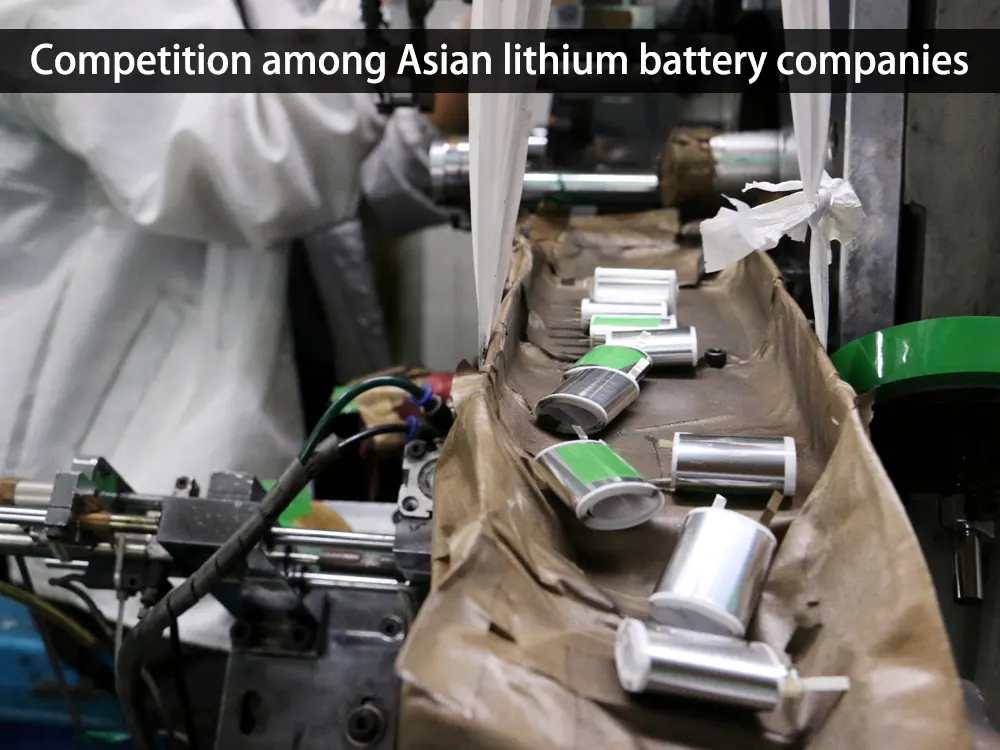
From the perspective of lithium ore resources, the total reserves of lithium ore resources in the world are about 62 million tons. More than half of them are in three South American countries, followed by Australia and the United States. China’s lithium resources can rank fifth in the world, with lithium ore content reaching 4.5 million tons, accounting for about 7.2% of the total reserves. However, Japan and South Korea are lithium-poor countries. At present, they mainly cooperate with upstream enterprises to ensure a stable supply of lithium resources.
Market share comparison

China>Korea>Korea
From January to November 2022, among the top ten companies with installed power battery capacity in the world, all of them are Chinese, Japanese and Korean companies. Among the top 10, 5 are from China, accounting for 50%. There are 3 Korean companies and 2 Japanese companies. Chinese companies lead the power battery market.
The market share of Chinese battery companies continues to grow, while the market share of Japanese and Korean battery companies shows a downward trend. Compared with the same period last year, CATL increased by 180%, and the market share reached 31.8%, an increase of 7 percentage points year-on-year. South Korea’s LG New Energy accounted for 20.5% of the market, down from 22.9% last year, and Panasonic’s market share dropped from 19.4% to 12.5%.
Lithium battery technology comparison
Japan>Korea>China
According to the report, from 2010 to 2020, judging from the company’s battery patent application rankings, 7 of the top 10 companies are from Japan. Japanese battery companies mainly include Panasonic, Mitsubishi, Dongli, Nichia, Honda, and Toyota. South Korean companies Samsung Electronics and LG Chem ranked first and third respectively.
China still lags behind Japan and South Korea in the overall number of patents. This is mainly due to the late start of China’s lithium battery industry, and relatively few core technologies and patents. However, China has surpassed in the field of power battery patents, such as sodium-ion batteries, solid-state battery technology, cobalt-free batteries, blade batteries and CTP integration technology.
Not only that, China has also taken the lead in battery standards: in 2020, China proposed to ISO to set new standards for lithium batteries, formulate proposals for professional committees, and the committee’s officers are held by China.
Although Japan and South Korea lead China in the number of battery patent applications, they are seriously behind in practical applications, especially in the field of power batteries. Japan’s leadership in battery technology has yet to translate into a larger share of the international electric vehicle market.
Competitive Situation Comparison

China>Japan>Korea
Since 2020, around the realization of the “dual carbon” strategic goal, China has adopted many policies in the fields of new energy vehicles and new energy storage, with the goal of achieving carbon peak carbon neutrality. It is proposed that after 15 years of continuous efforts, pure electric vehicles will become the mainstream of new sales vehicles, and vehicles in the public sector will be fully electrified.
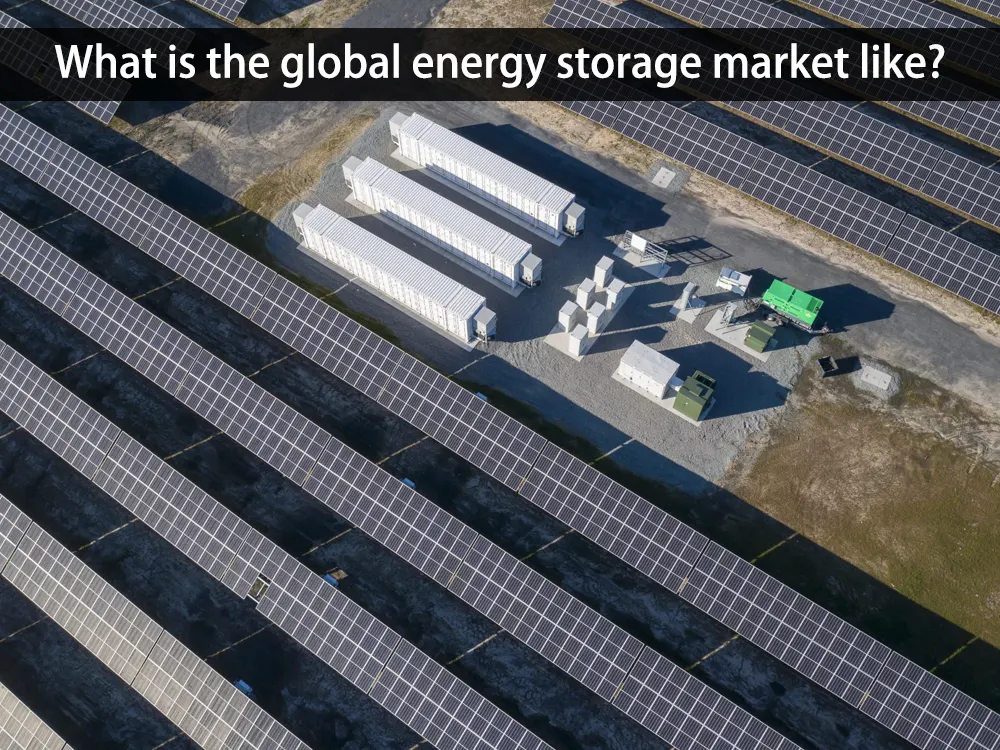
By 2025, China’s new energy storage installed capacity will reach more than 30GW. In terms of improving technological innovation capabilities, it is proposed to adhere to the diversification of energy storage technologies and promote the development and demonstration applications of lithium-ion batteries, flow batteries, and sodium-ion batteries.
In the battery development strategies of Japan and South Korea, both emphasize strengthening the security of the local battery supply chain. Focusing on the problems faced by the supply chain, it is proposed to deploy from the entire industrial chain such as battery key materials and mineral raw materials, battery components, battery equipment, and battery recycling.
Special attention is paid to the safety of the upstream materials industry in the battery industry chain. Japan established a battery supply chain association composed of battery upstream and downstream enterprises, and South Korea established a professional complex of battery materials, components, and equipment, and created a “battery alliance”. Promote the development of the battery industry through joint efforts of all parties. In addition, in order to enhance the competitiveness of cutting-edge strategic industries, South Korea has taken protective measures for its own battery companies to prevent technology outflow.

Based on the above four aspects, China’s resource reserves, market share, and competitive situation in lithium batteries are far greater than those of Japan and South Korea, while Japan and South Korea are still slightly ahead of China in the field of battery technology. Moreover, the three countries now attach great importance to the safety of the lithium battery industry chain. In the future, the competition in the lithium battery industry of the three countries will become more intense. Under this kind of competition, it is expected that there will be more new developments and new technologies in the lithium battery industry in the future.
Looking back at the history of commercialization of lithium batteries, 31 years have passed. The leap from digital products to the new energy automobile industry has allowed lithium battery technology to continue to iteratively upgrade, and it has also enabled China’s lithium battery companies to surpass other countries and rank first.
In the case of increasingly fierce competition, there is no expansion and elimination for no reason, only continuous iteration can maintain competitiveness. Opportunities for various new materials and new technologies are fleeting. Only by planning in advance can we win in the lithium battery industry.







 English
 French
 German